CEO ARTICLE
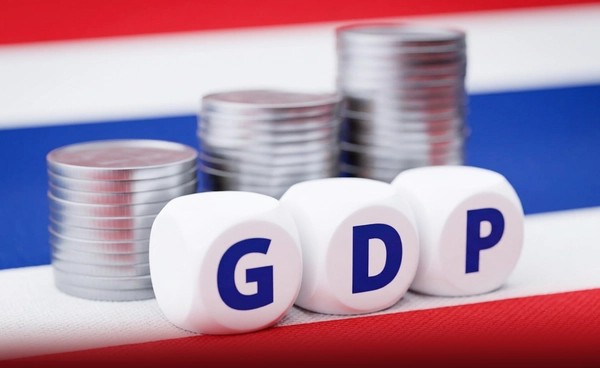
GDP 2.1%
Published on October 27, 2026
Follow Us :


ปี พ.ศ. 2569 GDP 2.1% ให้อารมณ์ใดแก่คนไทย ?
GDP ย่อมาจาก Gross Domestic Product หมายถึง ผลิตภัณฑ์มวลรวม
ความหมายวิชาการเข้าใจยาก หากอธิบายให้เข้าใจง่าย ๆ GDP คือตัวเลขการเติบโตทางเศรษฐกิจของประเทศ หากบวกมากก็หมายถึง เศรษฐกิจโตมาก ประชาชนกินดีอยู่ดี
แต่หากบวกน้อย หรือติดลบก็หมายถึง เศรษฐกิจตก การทำมาหากินลำบาก
ตัวเลขวัดจาก 5 กิจกรรมของปีปัจจุบันเปรียบเทียบกับปีที่ผ่านมาว่า มากขึ้นหรือน้อยลงกี่เปอร์เซนต์ ได้แก่ การบริโภคของประชาชนทั้งประเทศ (C = Consumption) + (การลงทุนของเอกชนทั้งประเทศ (I = Investment) + การใช้จ่ายของรัฐ (G = Government Spending) + การส่งออก และหักด้วย – การนำเข้า (X = Export ลบด้วย M = Import)
สูตร 5 กิจกรรมที่ใช้กันทั่วโลกจึงเป็น GDP = C + I + G + (X – M)
เดือนตุลาคม 2569 ที่ผ่านมา IMF กับ World Bank จัดประชุมในประเทศไทย มีการแถลงตัวเลข GDP หลายประเทศในเอเชีย ดังนี้ ไต้หวัน + 10.7% เวียดนาม + 8.4 สิงคโปร์ + 5.0% มาเลเซีย + 5.2% อินโดนีเซีย + 5.1% ฟิลิปปินส์ + 3.4 และไทย + 2.1%
เครื่องหมาย + คือ เศรษฐกิจเติบโต และเติบโตกี่เปอร์เซนต์
เศรษฐกิจไทยใน พ.ศ. 2569 คาดการณ์เติบโต 2.1% ต่ำที่สุดในตาราง
สิ่งที่ชัดเจนคือ ทั่วโลกเกิดภัยธรรมชาติ และจมอยู่ในความขัดแย้ง
ปัจจุบันมีสงครามรัสเซีย-ยูเครน สงครามสหรัฐ-อิสราเอล ความขัดแย้งในตะวันออกกลาง สงครามการค้า และปัญหาราคาน้ำมัน ปัญหาทั่วโลกเหมือนกัน หากตัวเลข GDP ของทุกประเทศมีอัตราต่ำใกล้เคียงกันก็พอเข้าใจได้ แต่นี่ GDP ของไทยต่ำที่สุด (อาจสูงกว่ากัมพูชา)
ทุกประเทศมีทรัพยากรที่ต่างกัน บางประเทศมีน้ำมันให้ขุดใช้ บางประเทศไม่มี แต่ที่แน่ ๆ ทุกประเทศมีรัฐทำหน้าที่บริหารจัดการ รัฐของบางประเทศเน้นการส่งออก เน้นการลงทุนเพื่อสร้างงาน สร้างรายได้ให้ประชาชนที่นำไปสู่การบริโภค และทำให้ GDP เติบโตตามสูตร
คำว่า “บริหารจัดการ” หมายถึง หน่วยงานต่าง ๆ ของรัฐมีหน้าที่คาดการณ์ปัญหาที่จะเกิดล่วงหน้า เมื่อเห็นแล้วก็ป้องกันมิให้ปัญหากระทบประชาชน หรือให้กระทบน้อยที่สุด
ตัวอย่างเช่น หากรัฐคาดการณ์ว่า ประชาชนจะขาดงาน ขาดเงินจนบริโภคได้น้อยลง รัฐก็ต้องทำทุกทางให้ประชาชนมีหนทางทำมาหากินอย่างยั่งยืนเพื่อให้มีเงินบริโภคมากขึ้น
หากรัฐคาดว่า ราคาน้ำมันและค่าครองชีพจะขึ้น กระทบต่อการบริโภค รัฐก็ต้องทำทุกวิถีทางเพื่อป้องกันมิให้ราคาขึ้น หากป้องกันไม่ได้ก็ต้องให้ขึ้นราคาช้าที่สุด และให้น้อยที่สุด
แต่หากทำทุกทางแล้วยังไม่ดีขึ้น รัฐก็ต้องตัดลดรายจ่ายที่ไม่จำเป็นของรัฐออกไป
ในกรณีประเทศไทย รัฐอาจทำดีอยู่แล้ว แต่ GDP กลับอยู่ที่ 2.1%
นักวิชาการไทยแนะนำมากมาย เช่น เลิกเหวี่ยงแหแจกเงิน แต่แจกเฉพาะกลุ่มเปราะบาง ปฏิรูประเบียบราชการเพื่อการส่งทุน ทำลายธุรกิจสีเทาให้อยู่ในระบบภาษีเพื่อสร้างรายได้แทนการกู้ ตั้งสถาบันอิสระเพื่อประเมินความคุ้มค่าในการใช้จ่ายของรัฐ ตรวจสอบวินัยการคลังของรัฐ แก้หนี้ครัวเรือน ปฏิรูปการศึกษา ลงทุนการพัฒนามนุษย์ และเร่งเจรจาการค้าระหว่างประเทศ
คำแนะนำยังมีอีกมาก รัฐจะทุ่มเทด้านไหนก็ได้ หรือจะทำทุกทางก็ได้ แต่พอ GDP ออกมาที่ 2.1% มันจึงสื่อถึงความสามารถ และการเลือกคนมาเป็นรัฐมนตรีของผู้นำรัฐ
ราคาน้ำมันที่สูงขึ้นเรื่อย ๆ ส่งค่าครองชีพให้สูงขึ้นเรื่อย ๆ ก็ซ้ำเติมประชาชน แต่รัฐอาจไม่สนใจฟังเพราะที่มาของรัฐไม่ได้มาจาก IMF หรือ World Bank แต่มาจากประชาชนที่เป็นผู้เลือก
GDP 2.1% จึงเป็นอารมณ์ที่คนไทยควรจดจำเพื่อเลือกผู้นำรัฐที่ดีในอนาคตต่อไป.
ดร. สิทธิชัย ชวรางกูร
ENGLISH HADING
What Thailand’s 2.1% GDP Growth Means for Its People
How Should Thai People Feel About 2.1% GDP Growth in 2026?
GDP stands for Gross Domestic Product. In simple terms, it is a measure of a country’s economic growth. A high positive figure indicates strong economic growth and generally means that people enjoy a better standard of living. A low positive figure, or a negative one, indicates a weak or contracting economy, making it harder for people to earn a living.
The figure compares five components in the current year with the previous year to determine the percentage increase or decrease: nationwide household consumption (C = Consumption), nationwide private investment (I = Investment), government spending (G = Government Spending), exports, less imports (X = Exports and M = Imports).
GDP = C + I + G + (X – M)
This five-component formula is used around the world.
In October 2026, the International Monetary Fund (IMF) and the World Bank held meetings in Thailand, where GDP figures for several Asian economies were announced: Taiwan 10.7%, Vietnam 8.4%, Singapore 5.0%, Malaysia 5.2%, Indonesia 5.1%, the Philippines 3.4%, and Thailand 2.1%.
The plus sign indicates economic growth and the percentage by which an economy has expanded. Thailand’s economy is forecast to grow by 2.1% in 2026, the lowest rate in this group.
One fact is clear: the world is experiencing natural disasters and remains caught in conflict. There is currently the Russia-Ukraine war, the US-Israel war, conflict in the Middle East, trade wars, and problems caused by oil prices. Countries around the world face similar problems. If every country had a similarly low GDP growth rate, that would be understandable. Yet Thailand’s rate is the lowest, although it may still be higher than Cambodia’s.
Countries have different resources. Some can extract and use their own oil, while others cannot. What every country does have is a government responsible for managing the economy. Some governments focus on exports and investment to create jobs and income for their people. This income supports consumption and helps GDP grow in line with the formula.
Management means that government agencies must anticipate problems before they occur. Once a risk is identified, they should prevent it from affecting the public or reduce its impact as much as possible.
For example, if the government expects people to lose jobs and income, reducing their ability to spend, it must use every available measure to create sustainable ways for people to earn a living and increase their consumption.
If the government expects oil prices and the cost of living to rise and reduce consumption, it must use every available measure to prevent those prices from increasing. If an increase cannot be prevented, it must slow and limit the rise as much as possible.
If conditions still do not improve after every effort has been made, the government must cut unnecessary public expenditure.
In Thailand’s case, the government may already be doing a good job, yet GDP remains at 2.1%.
Thai academics have offered many recommendations. These include ending broad cash handouts and targeting assistance only at vulnerable groups; reforming bureaucratic rules to support investment;
tackling gray-market businesses and bringing them into the tax system; raising revenue instead of borrowing; establishing an independent institution to assess value for money in public spending and monitor fiscal discipline; addressing household debt; reforming education; investing in human development; and accelerating international trade negotiations.
There are many more recommendations. The government may focus on any of them or pursue them all. But when GDP comes in at 2.1%, the figure reflects the government’s capabilities and the national leader’s choice of ministers.
Oil prices continue to rise, pushing the cost of living higher and adding to the burden on the public. Yet the government may not pay attention, because its mandate does not come from the IMF or the World Bank. It comes from the people who elected it.
The 2.1% GDP figure is therefore something Thai people should remember when choosing better national leaders in the future.
Written by
Dr. Sitthichai Chawaranggoon
Chief Executive Officer (CEO) – SNP GROUP
Translated by
Parinya Visetpanitkij
Sales & Logistics Supervisor – SNP Logistics
อ่านบทความอื่นที่เขียนโดย ดร. สิทธิชัย ชวรางกูร ได้ที่ https://snp.co.th/e-journal/
Date Published : October 27, 2026

Logistics
สิ้นสุดการรอคอยสายการบินแห่งชาติโปแลนด์เปิดเที่ยวบินปฐมฤกษ์วอร์ซอ-กรุงเทพฯ
เมื่อวันที่ 7 ตุลาคม 2569 สายการบินแห่งชาติของโปแลนด์ (LOT Polish Airlines) ได้เปิดให้บริการเที่ยวบินปฐมฤกษ์สู่กรุงเทพมหานคร เมืองหลวงของประเทศไทย จากท่าอากาศยานโชแปง (Chopin Airport) ในกรุงวอร์ซอ โดยมี เอกอัครราชทูต ณ กรุงวอร์ซอ และ ผู้อำนวยการ ททท. สำนักงานกรุงปราก สาธารณรัฐเช็ก เข้าร่วมแสดงความยินดีในพิธีเปิดดังกล่าว
ในอดีต LOT เคยให้บริการเส้นทางบินระหว่างวอร์ซอ-กรุงเทพฯ มาตั้งแต่ปี 2520 และถูกระงับเที่ยวบินไปในปี 2543 การกลับมาให้บริการอีกครั้งหลังผ่านไปนานกว่าสองทศวรรษจึงนับเป็นก้าวสำคัญของการพัฒนาเครือข่ายเส้นทางบินระยะไกลของ LOT Polish Airlines และเป็นการเปิดบันทึกหน้าใหม่ที่จะสร้างโอกาสทั้งการเดินทางท่องเที่ยวและการเดินทางเชิงธุรกิจ พร้อมส่งเสริมความสัมพันธ์และการแลกเปลี่ยนทางเศรษฐกิจระหว่างโปแลนด์และไทยให้แข็งแกร่งยิ่งขึ้น
ข้อมูลเพิ่มเติม/ข้อคิดเห็นของสคต. วอร์ซอ
1. การเปิดเส้นทางการบินตรงระหว่างวอร์ซอ-กรุงเทพฯ จะมีส่วนสำคัญในการสร้างโอกาสทางการค้าสำหรับผู้ประกอบการไทยโดยตรง ช่วยให้การเดินทางเพื่อติดต่อธุรกิจและการเดินทางเข้ามาศึกษาตลาดหรือเข้าร่วมงานแสดงสินค้าต่างๆ ในตลาดโปแลนด์ รวมถึง ยุโรปกลาง ยุโรปตะวันออก และกลุ่มประเทศบอลติก มีความสะดวกรวดเร็วยิ่งขึ้น
2. ประเทศไทย ยังคงเป็นจุดหมายปลายทางยอดนิยมของนักท่องเที่ยวโปแลนด์ที่โดดเด่นที่สุดแห่งหนึ่งในเอเชีย โดยนักท่องเที่ยวโปแลนด์ที่ได้รับประสบการณ์และบริการที่เป็นเอกลักษณ์และหลากหลายส่งผลให้ความต้องการบริโภคอาหารไทยสินค้าไทยและบริการไทยมีเพิ่มขึ้นทุกปี การท่องเที่ยวจึงมีส่วนสำคัญในการสร้างโอกาสทางธุรกิจสำหรับผู้ประกอบการไทย โดยเฉพาะธุรกิจร้านอาหารและการส่งออกสินค้าที่เกี่ยวข้อง ตลอดจน ผู้ประกอบการในธุรกิจการท่องเที่ยวเชิงสุขภาพ (wellness tourism) อาทิ สปาไทย นวดแผนไทย และสินค้าสุขภาพที่เกี่ยวข้อง ซึ่งไทยมีศักยภาพสูง และมีโอกาสที่จะขยายตัวได้ดีในตลาดโปแลนด์
ที่มา: https://www.ditp.go.th/post/jdpnhccgqzyjqy5096fkj


Leave a Reply
Want to join the discussion?Feel free to contribute!